Questions to Ask Before Buying a House: A Home Buyer’s Guide to Residential Sales

The best questions to ask before buying a house cover the listing, the seller, the home’s condition, the neighborhood, and the terms of your offer. Whether you’re touring single-family homes, townhouses, or condos for sale, ask the listing agent, the seller, your buyer’s agent, and your home inspector for specific answers, and get each one in writing before you close on the home.
Key Takeaways
- Before you tour homes for sale, ask your buyer’s agent how they are paid and what the buyer agreement covers.
- Ask the listing agent about days on market, price reductions, and any home sale that fell through.
- Ask the seller whether the house has ever had water damage, and request the seller’s disclosure for the home.
- Compare the list price against recent comparable home sales in the neighborhood before you make an offer.
- Tour every house with the same checklist so you can compare homes for sale fairly.
- Walk away from a house when the seller blocks inspections or the home’s problems can’t be verified before closing.
What Should You Ask Before Buying a House?
Before buying a house, ask about the home’s condition, its sale history, the seller’s reasons for selling, the asking price, and the neighborhood. Four people answer most of these home buying questions: your buyer’s agent, the listing agent, the seller, and the home inspector.
A home purchase moves fast once you find the right house. Your purchase offer sets deadlines for the inspection, the appraisal, and closing, and each deadline gives you a limited window to back out of the home sale and keep your earnest money deposit. Ask your questions early, while the house is still just a listing you’re considering.
The table below shows who to ask during a home purchase and what to request from each of them.
| Who to Ask | Main Topics | What to Request |
|---|---|---|
| Buyer’s agent | Compensation, offer strategy, comparable home sales | Written buyer agreement, comparable sales report |
| Listing agent | Days on market, price history, other offers | Listing history from the MLS |
| Seller | Defects, repairs, renovations, reason for selling | Seller’s disclosure, receipts, permits |
| Home inspector | Condition of the house and its systems | Home inspection report with photos |
A good answer is specific: a date, a number, and a document. If the seller or listing agent gives you a vague answer about the house, keep asking.

What Questions Should I Ask a Realtor When Buying a House?
Ask a realtor how they get paid, what the buyer agreement commits you to, how many homes they have helped buyers purchase in your target neighborhood, and how they would price an offer on a specific listing. These answers show how well the agent knows the local housing market and how they negotiate a home sale.
Questions About the Buyer Agreement
Since August 17, 2024, agents who belong to a multiple listing service (MLS) must sign a written agreement with a home buyer before touring a house together. The agreement states the agent’s compensation as a specific amount.
Ask these before you sign and start touring homes:
- How are you paid: a flat fee, a percentage of the sale price, or another structure?
- Who pays you if the seller of the home doesn’t cover buyer agent compensation?
- Can I ask the seller to pay your fee as part of my offer on the house?
- Does this agreement cover one house or every home I tour?
- How long does the agreement last, and how do I end it?
- What services do you provide during the home purchase?
Not sure about an agent yet? Sign a short agreement that covers a single house, then see how they handle the showing and the offer.
Questions About the Local Market and Your Offer
An agent who knows the neighborhood helps you set the right offer price on a house. Ask these at your first meeting:
- How many homes have you helped buyers purchase in this neighborhood this year?
- How many days do homes for sale here typically stay on the market?
- What is the sale-to-list price ratio for similar houses nearby?
- Which offer terms do home sellers here usually accept?
- How do you handle bidding wars when several buyers want the same house?
- Which home inspectors and real estate attorneys do you recommend?
Questions to Ask the Listing Agent About a Home for Sale
The listing agent represents the seller, but they will answer factual questions about the house and its listing. Their answers tell you how much negotiating room you have on the asking price.
- How long has the home been listed for sale?
- Has the list price dropped, and when?
- Has a previous sale of the house fallen through, and why?
- Have other buyers made offers on the home?
- When is the offer deadline, and does the seller want a quick closing?
- Which appliances and fixtures are included in the sale of the house?
A house that has sat on the market for months, or that keeps falling out of contract, deserves a closer look. Ask what the previous buyer’s home inspection found, and request a copy if the listing agent has one.
Watch what you say at an open house. The listing agent there works for the home seller, so ask about the house but keep your budget and your highest offer to yourself.

What Should I Ask the Seller Before Buying a House?
Ask the seller about known defects, water damage, renovations, permits, average utility bills, and what stays with the house after the sale. Most of these questions go through the listing agent. Get each answer about the home in writing.
Every state sets its own seller disclosure rules for residential real estate sales, so the disclosure form for a house in one state may ask far more than the form in another. Ask your agent what your state’s seller’s disclosure covers. For a house built before 1978, the seller must also disclose any known lead-based paint in the home.
Can I Ask Why the Seller Is Selling the House?
Yes, you can ask why the seller is selling the house, but the listing agent may decline to answer. A job move or a growing family is a normal reason to sell a home. If the story keeps changing, read the seller’s disclosure and the home inspection report with extra care.
Seller Questions About the House
The table below pairs each question for the home seller with a good answer, a red flag, and the document to request.
| Question | Good Answer | Red Flag | What to Request |
|---|---|---|---|
| Has water ever entered the house? | No, or repaired with records | Fresh paint on isolated ceiling spots | Repair invoices |
| How old is the roof? | Specific year and roofer named | “Not sure” or “it’s fine” | Roofing invoice, warranty |
| Were renovations to the home permitted? | Yes, permits closed out | Work done “by a friend” | City or county permit history |
| Were insurance claims filed on the house? | None, or claims documented | Seller won’t request records | CLUE report from the seller |
| What do utilities cost for the home? | 12 months of actual bills | Rough guesses only | Utility bills |
| What is included in the home sale? | Itemized fixtures and appliances | Vague about appliances | List of inclusions in the purchase contract |
Questions to Ask About a House Before Buying: The Home’s Major Systems
The most important questions to ask about a house before buying cover the roof, heating and cooling, the water heater, the electrical panel, plumbing, the foundation, and the sewer line. These are the most expensive parts of a home to replace. For each one, ask the seller how old it is and when it was last repaired.
An older system isn’t a reason to skip a house. It’s a reason to negotiate a lower sale price or ask the seller for a repair credit.
| Part of the House | Question to Ask the Seller | Red Flag |
|---|---|---|
| Roof | How old is it, and has it leaked? | Curling shingles, attic water stains |
| Heating and cooling | When was it installed and last serviced? | No service records, rusted parts |
| Water heater | How old is it? | Rust at the base, pooled water |
| Electrical panel | What brand, and has it been upgraded? | Federal Pacific panel, knob-and-tube wiring |
| Plumbing | What pipe material runs through the house? | Polybutylene pipe, weak water pressure |
| Foundation | Any cracks, settling, or repairs? | Horizontal or stair-step cracks |
| Sewer line | Has the line ever backed up into the house? | Tree roots, clay or Orangeburg pipe |
| Windows | What do heating and cooling bills average? | Drafty rooms, fogged double-pane windows |
What Questions Should I Ask a Home Inspector?
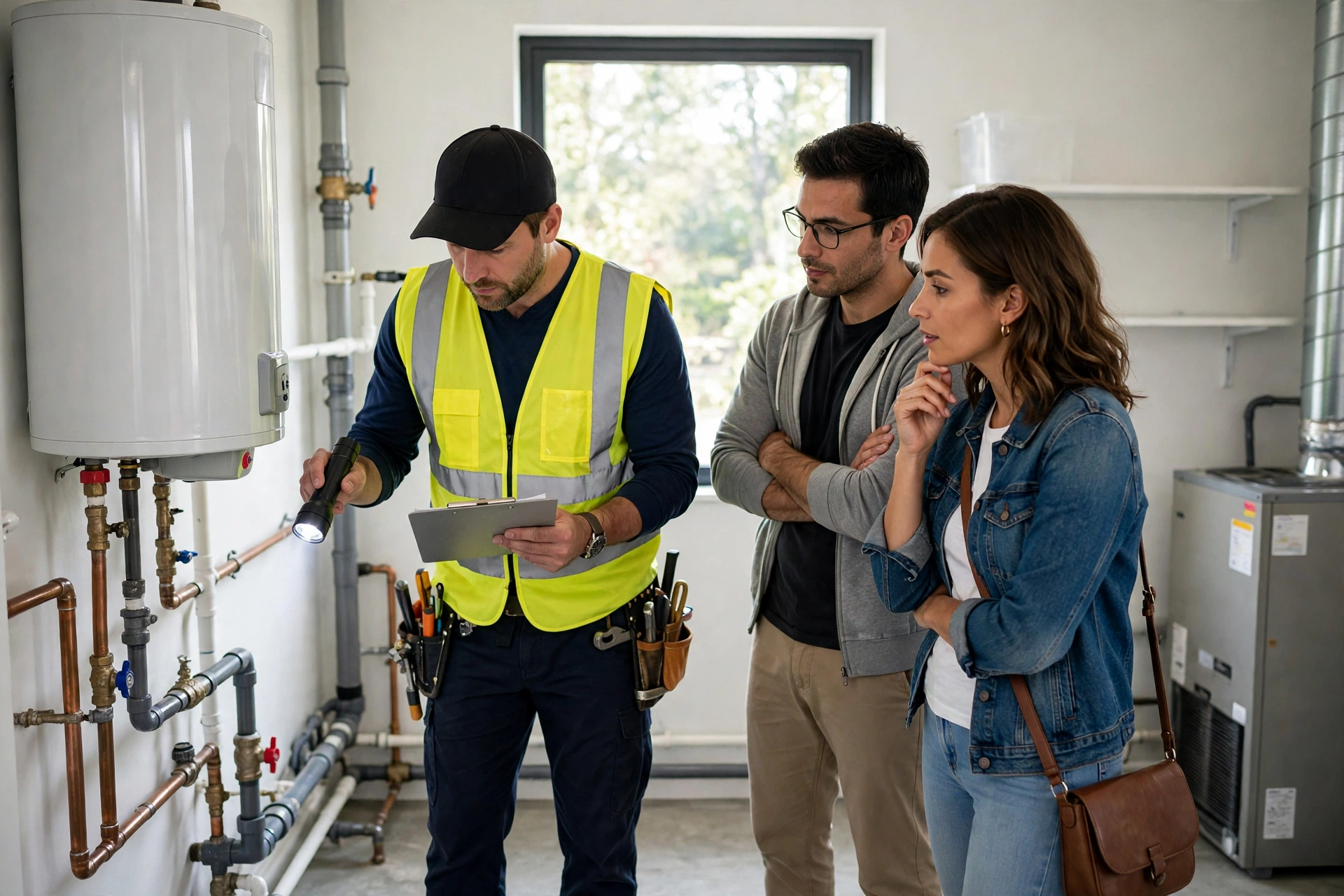
Ask a home inspector what the inspection of the house covers, what it leaves out, and which problems are serious rather than normal wear. Hire your own inspector, not one the seller of the home picks.
Before you book the home inspection:
- Confirm the inspector holds a license if your state requires one.
- Ask for a sample inspection report with photos of a house they inspected.
- Ask whether they can scope the sewer line and test the house for radon at the same visit.
Then attend the inspection in person and walk through the home with the inspector:
- Which problems with this house are serious, and which are normal wear?
- Are there signs of water damage or leaks anywhere in the home?
- Do any additions or finished basements look unpermitted?
- Which repairs should I ask the seller to make before closing?
- Does any part of the house need a specialist, such as a roofer or structural engineer?
Use the home inspection report to negotiate. You can ask the seller to fix problems, lower the sale price, or give you a credit at closing.
What Should I Look for When Touring a House?
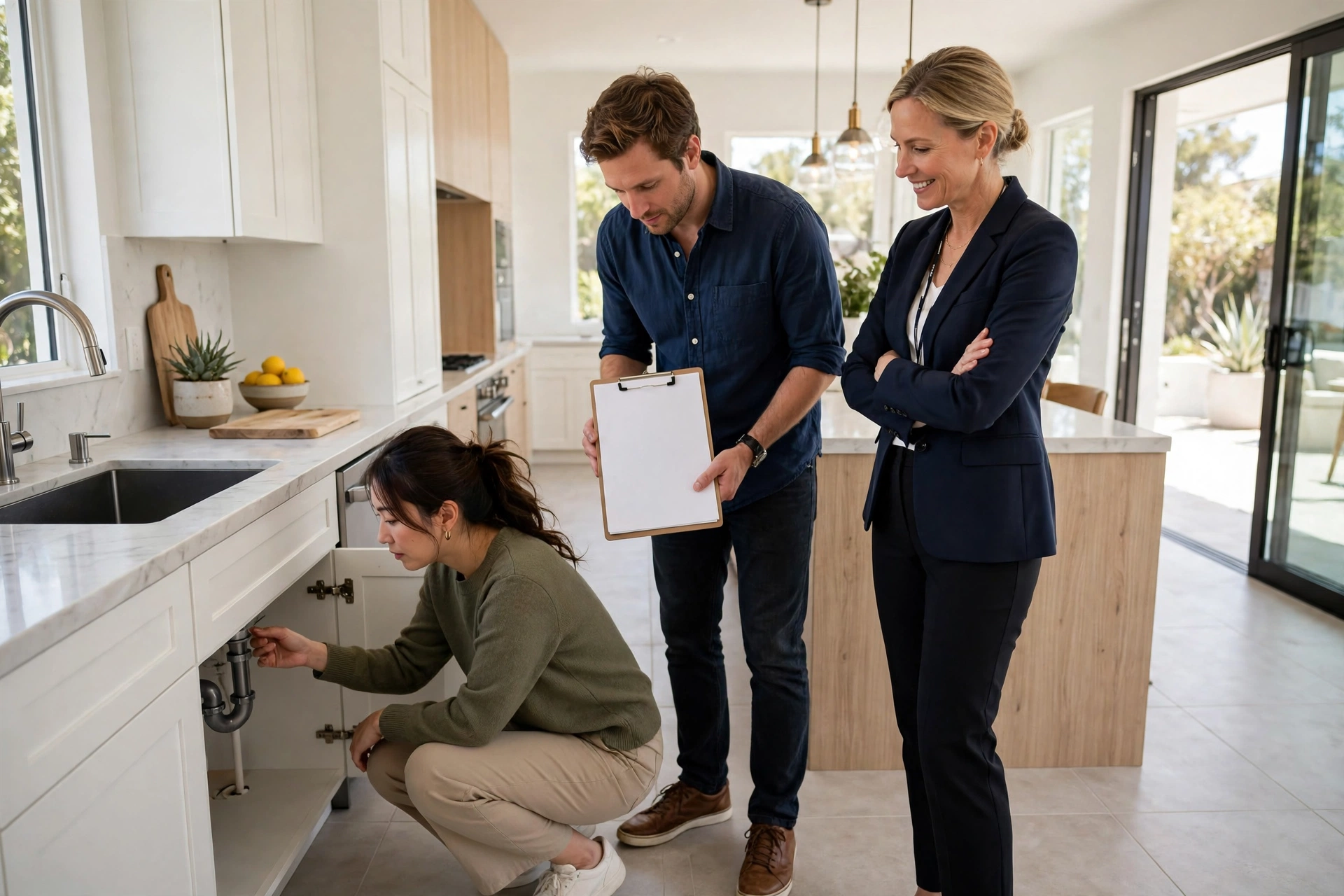
When touring a house for sale, look for water stains, musty smells, sticking doors, cracked walls, sloping floors, and fresh paint in odd spots. These signs point to hidden problems the seller may not mention. Bring the same checklist to every showing so you compare each home the same way.
At every showing, work through these steps:
- Open the cabinets under every sink and look for stains or warped wood.
- Run the faucets and flush the toilets to check water pressure.
- Open and close the doors and windows of the house.
- Check the basement or crawl space for moisture or a sump pump.
- Read the labels on the electrical panel and water heater to find their ages.
- Compare the listing photos to the actual rooms of the home.
- Come back to the house at night or on a weekend to hear the neighborhood.
Questions to Ask About the Neighborhood
When you buy a house, you also buy its neighborhood, and the location affects the home’s resale value when it’s your turn to sell. Ask these before you make an offer:
- Which school district serves this exact address? Confirm it with the district, not the listing.
- How long is the commute from the house at rush hour?
- Are new homes, roads, or rezonings planned nearby?
- What are local crime trends?
- What will the property tax bill on the home be after the sale?
- Is the house in a FEMA flood zone, and what do natural hazards mean for homes in this area?
Homes for sale in different regions face different risks. Coastal homes face hurricanes and flooding. Homes in the West face wildfire, and homes in California face earthquakes. Ask the seller how the house has held up, and compare the neighborhood with nearby communities before you choose where to buy.
Questions About Condos and Homes in an HOA
If the house, townhouse, or condo sits in a homeowners association (HOA), ask about the monthly fees, what they cover, whether a special assessment is planned, and the rules for rentals, pets, and exterior changes. Ask the seller for the HOA resale packet before closing on the home, and read the last year of board meeting minutes.
Questions About Your Offer and Closing on the House
Your offer on a house sets the price, the deposit, and the deadlines for the home sale. Ask your agent these questions before you submit it:
- What offer price do recent comparable home sales support?
- How much earnest money should I put down on this house?
- Which contingencies should my offer include: inspection, appraisal, or financing?
- What happens if the appraisal of the home comes in below the sale price?
- When will we close on the house, and when do I get the keys?
Get a mortgage preapproval before you start touring homes for sale. A preapproval letter shows the seller you can buy the house, and it makes your offer stronger than one from a buyer without it.
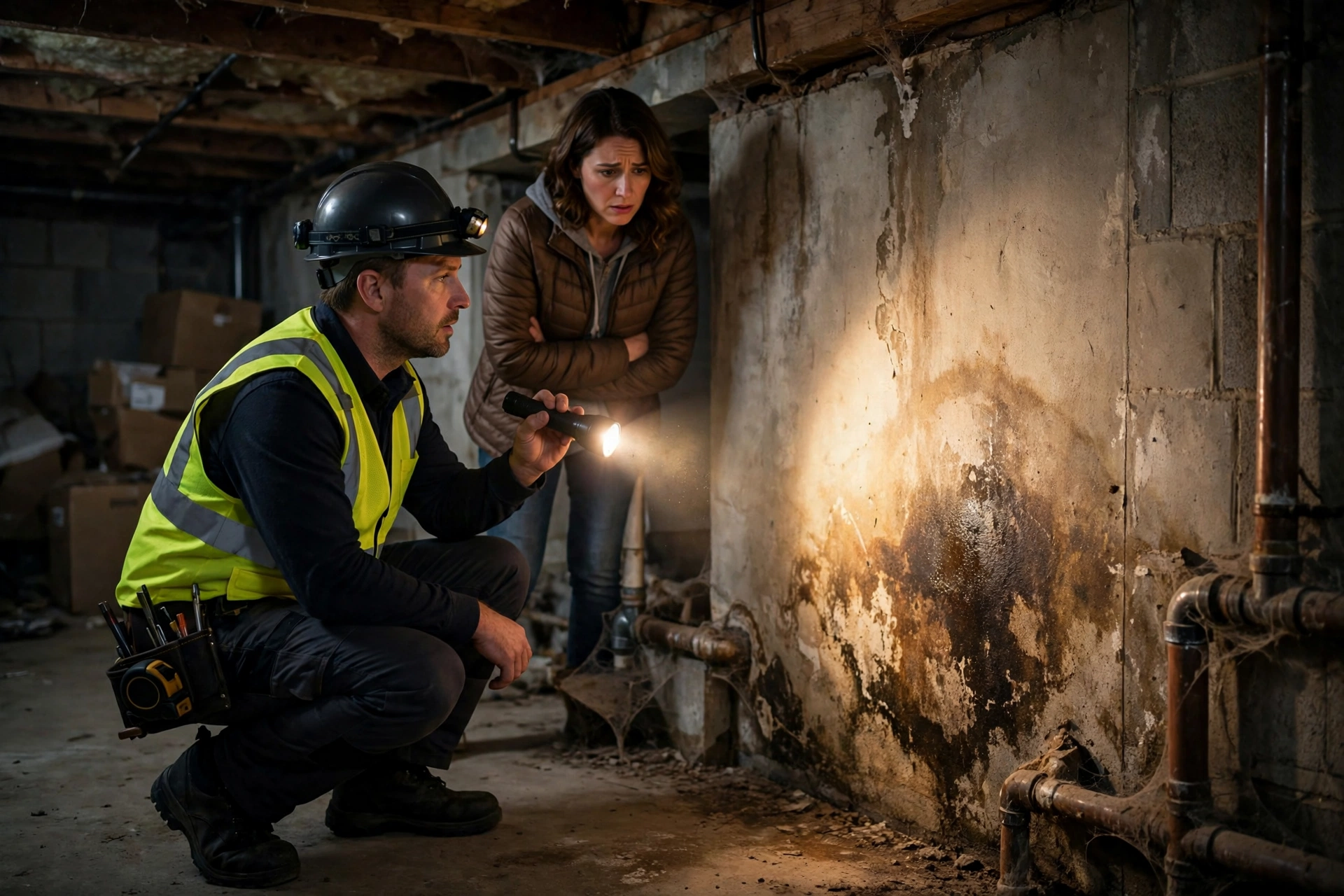
What Are Red Flags When Buying a House?
Red flags when buying a house include water damage, foundation movement, unpermitted additions, blank answers on the seller’s disclosure, a seller who limits the home inspection, and a home that keeps falling out of contract. Each one is a risk the seller may not have disclosed.
Some red flags are negotiable. An old roof or a worn kitchen can justify a lower price on the house rather than ending the home sale.
Red Flags That Justify Walking Away from a House
Walk away from a home purchase when a problem is costly, hidden, or can’t be checked before closing:
- Active foundation movement confirmed by a structural engineer
- Mold behind walls or repeated flooding in the house
- A seller who refuses an inspection or blocks parts of the home
- Major unpermitted additions the city may make you remove
- An HOA facing a large special assessment
- A failed sewer line and a seller who won’t offer a credit
- An appraisal that comes in far below the sale price
What Is the Most Important Question to Ask When Buying a House?
The most important question to ask when buying a house is whether the home has ever had water damage, flooding, or leaks. Water damage leads to mold, rot, and foundation problems in a house, and it often hides behind fresh paint or new flooring.
Get the seller’s answer in writing. Then check it against the seller’s disclosure and the home inspection report before closing on the house.
Checklist of Questions to Ask Before Buying a House
This checklist puts the questions to ask before buying a house in the order you’ll face them during a home purchase. Bring it to every showing and write each answer next to its question.
- Ask your buyer’s agent about compensation and the buyer agreement before touring homes.
- Get a mortgage preapproval so your offer on a house is ready.
- Ask the listing agent about days on market, price drops, and failed sales.
- Get the seller’s disclosure, permits, and utility bills for the home.
- Tour the house with your checklist, and return at a different time of day.
- Compare the list price with recent comparable home sales.
- Hire a home inspector and attend the inspection of the house.
- Negotiate repairs or a price reduction with the seller before closing.
Conclusion
Home buyers who protect themselves treat every answer from a seller or listing agent as a claim to check, not a promise to trust. Start with your buyer’s agent this week, then bring these questions to every house you tour, every open house you visit, and every offer you write. The right questions help you buy the right home at the right price.
Frequently Asked Question

Johnson
Johnson leads real estate content at Civic Homes, covering home buying, selling, mortgages, renting, and market trends across Canada. He researches provincial rules, mortgage regulations, and city-by-city housing data to explain the Canadian market in plain, practical terms. His guides help buyers, sellers, renters, and investors make smarter housing decisions.
Related Posts